Post
Best Lo Mai Gai 2026: The Art of Cantonese Lotus Leaf Sticky Rice Parcels
May
Lo Mai Gai: The Art of Cantonese Lotus Leaf Sticky Rice Parcels
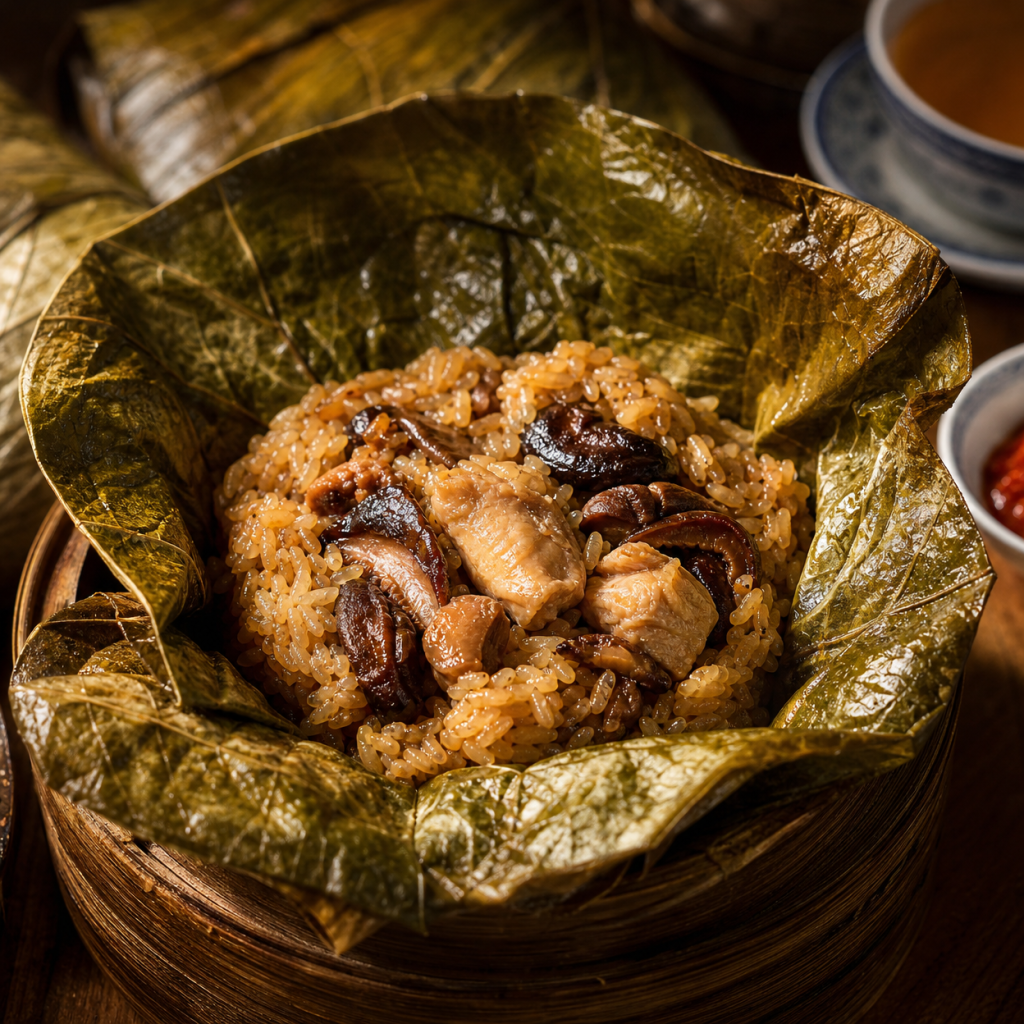
Unwrapping a Lo Mai Gai at the dim sum table is one of the great, cherished, theatrical rituals of Cantonese dining. The moment the folded, steaming, fragrant lotus leaf package is carefully opened, a fragrant cloud of steam rises dramatically into the air — carrying with it the earthy, slightly floral, absolutely intoxicating aroma of the lotus leaf itself, the savory richness of the glutinous rice, and the deep, complex scent of the luxurious filling within.
It is a theatrical, sensory, multi-sensory moment that never loses its magic, no matter how many times you have experienced it. This is not just a dish; it is a complete sensory experience that engages sight, smell, touch, and taste all at once. Lo Mai Gai represents the heartier, more substantial side of dim sum — the dish you order when you are truly hungry and want something that will stick to your ribs. It is comfort food of the highest order, wrapped in a beautiful, aromatic package.
What Is Lo Mai Gai?
Lo Mai Gai (糯米雞), which translates directly to “glutinous rice chicken,” is a classic Cantonese dim sum dish consisting of glutinous sticky rice mixed with various savory ingredients — typically tender chicken, sweet Chinese sausage (lap cheong), pungent dried shrimp, earthy shiitake mushrooms, and sometimes rich salted egg yolk — all wrapped tightly in a dried lotus leaf and steamed for a long time until the rice is perfectly cooked through and has absorbed all the incredible, surrounding flavors.
The lotus leaf serves a beautiful dual purpose as both a natural, biodegradable cooking vessel and a powerful, irreplaceable flavor infuser, imparting its distinctive, earthy, slightly floral aroma to the rice and fillings as it steams gently. This is not a quick dish; it requires time, patience, and respect for traditional methods. The result, however, is more than worth the wait.
The Sacred Lotus Leaf
The lotus plant holds deep, profound, centuries-old symbolic significance in Chinese and Buddhist culture, representing purity, enlightenment, and beauty rising from muddy, imperfect waters. In culinary terms, the large, durable lotus leaf has been used for centuries as a natural wrapping material for steamed and baked foods across southern Chinese cuisine. The large dried leaves, typically measuring 15 to 20 inches in diameter, are first rehydrated in hot water before use, becoming soft, pliable, and intensely, wonderfully fragrant.
During steaming, the gentle, moist heat causes the lotus leaf to release its characteristic, irreplaceable aroma — a clean, slightly green, faintly floral, utterly unique scent that is completely impossible to replicate with any artificial flavoring. This beautiful, subtle aroma penetrates the rice and filling deeply during the long, gentle steaming process, becoming an integral, essential part of the dish’s overall flavor profile rather than a mere container to be discarded. The lotus leaf is not just packaging; it is a key ingredient.
The Glutinous Rice Foundation
The rice used in Lo Mai Gai is glutinous rice (also called sticky rice or sweet rice), a short-grain variety of rice with an extremely high amylopectin starch content that gives it its characteristic sticky, clumping, satisfying texture when cooked. Unlike regular rice, glutinous rice is first soaked in cold water for four to eight hours before cooking to soften the hard, dense grains and ensure even, thorough cooking.
The soaked rice is then partially steamed or cooked with a flavorful seasoning liquid of soy sauce, oyster sauce, sesame oil, and Shaoxing wine, which seasons the grains beautifully throughout before the final assembly. This pre-seasoning step is crucial; without it, the rice would be bland and disappointing. The seasoned rice forms the foundation of the dish, and its quality directly impacts the final result.
Building the Luxurious Filling
The filling of Lo Mai Gai is a carefully orchestrated, harmonious combination of contrasting flavors and textures. Bite-sized pieces of chicken thigh — preferably bone-in for maximum flavor and moisture — are marinated in a mixture of soy sauce, oyster sauce, ginger, garlic, sugar, and sesame oil. The dark meat of the thigh is essential; breast meat would become dry and stringy during the long steaming.
Thinly sliced lap cheong (Chinese sausage) adds bursts of sweet, slightly smoky, wine-cured, complex flavor that contrasts beautifully with the savory chicken and umami-rich mushrooms. Its fat renders into the rice during steaming, adding an additional, welcome layer of richness. Dried shrimp and shiitake mushrooms are soaked and then sautéed before being incorporated, their intense, concentrated umami flavor permeating every grain of rice they contact. Some luxurious versions include half of a salted duck egg yolk placed at the very center of the parcel, which becomes custardy, rich, and intensely savory, releasing a salty, creamy intensity that elevates the entire package to something truly special.
Assembling and Steaming the Parcels
Assembling Lo Mai Gai requires practice and a good, instinctive feel for the right amount of filling versus rice. The rehydrated, softened lotus leaf is laid flat, and a layer of seasoned glutinous rice is spread in the center. The generous, aromatic filling is mounded on top of the rice, then covered with another layer of rice. The leaf is then carefully folded over the top from all four sides to create a tight, neat, rectangular parcel and secured with kitchen twine if necessary.
The parcels are steamed in a large steamer basket or wok over vigorously boiling water for 30 to 45 minutes, ensuring the rice cooks all the way through and the filling is completely, thoroughly heated. The long steaming time allows the lotus leaf aroma to fully, deeply permeate the rice and filling, and allows all the individual, complex flavors to meld into a beautiful, unified, harmonious whole.
Cultural and Ceremonial Significance
Lo Mai Gai is not an everyday dish in the sense that many smaller, lighter dim sum items are. Its substantial size and incredibly filling, rich nature make it a more considered, generous choice — typically one large parcel per person is sufficient to constitute a significant, satisfying portion of a meal. At traditional Cantonese dim sum gatherings, Lo Mai Gai often represents the heartier, more substantive end of the menu, appreciated particularly by those with larger appetites or by diners who want a complete, comforting meal rather than just a series of small, delicate bites.
Unwrapping a Lo Mai Gai at the table has the genuine, joyful quality of opening a wonderful gift — the pleasant anticipation of what lies within, the theatrical reveal of the fragrant steam, and the communal pleasure of sharing the delicious, aromatic contents all contribute to a dining experience that is as social, joyful, memorable, and deeply delicious as it is nourishing.
The Global Popularity of Dim Sum Culture
Over the past several decades, dim sum has expanded far beyond Southern China and Hong Kong, becoming one of the most internationally recognized forms of Chinese cuisine. Restaurants specializing in dim sum can now be found in major cities all around the world, from New York and Los Angeles to London, Sydney, Singapore, and Toronto. The appeal of dim sum comes from its social nature, incredible variety, and balance of flavors and textures. Diners are encouraged to share multiple dishes, sample different combinations, and enjoy a relaxed dining experience with friends and family. This sense of togetherness has helped dim sum become much more than a meal — it is a cultural experience that people return to repeatedly.
Traditional dim sum meals are usually enjoyed during brunch or lunchtime, often accompanied by hot Chinese tea. The phrase “yum cha,” which means “drink tea” in Cantonese, reflects the deep connection between tea culture and dim sum dining. Different teas are paired with different dishes to balance richness and refresh the palate. Jasmine tea, pu-erh tea, chrysanthemum tea, and oolong tea are among the most popular choices in classic Cantonese teahouses. The tea not only complements the flavors of the food but also encourages conversation and a slower, more enjoyable dining pace.
Why Authentic Preparation Matters
Authentic dim sum preparation requires patience, precision, and years of experience. Skilled chefs spend years perfecting dough textures, fillings, steaming times, seasoning balances, and presentation techniques. Even a seemingly simple dumpling or bun can involve dozens of small details that determine whether the final result is average or exceptional. High-quality ingredients also play a critical role. Fresh seafood, carefully selected meats, premium soy sauce, sesame oil, and aromatic spices all contribute to the depth of flavor that defines authentic Cantonese cooking.
In many respected dim sum restaurants, recipes are passed down through generations of chefs and families. These traditions preserve techniques that have been refined over hundreds of years. While modern restaurants may experiment with fusion ingredients and contemporary presentation styles, the classic foundations of Cantonese dim sum remain timeless. Diners continue to appreciate dishes that honor tradition while delivering comfort, freshness, and carefully balanced flavor profiles.
Dim Sum as a Shared Experience
One of the greatest reasons dim sum remains beloved worldwide is its ability to bring people together. Families gather around round tables, friends share bamboo steamers filled with freshly prepared dishes, and conversations flow naturally throughout the meal. Unlike individual plated dining experiences, dim sum encourages sharing and interaction. Every dish placed at the center of the table becomes part of a collective experience that creates memories as meaningful as the food itself.
Whether enjoyed at a luxurious Hong Kong tea house or a small neighborhood restaurant, classic dim sum dishes continue to represent warmth, hospitality, and culinary craftsmanship. Their enduring popularity proves that carefully prepared comfort food never goes out of style. For food lovers everywhere, exploring authentic dim sum remains one of the most rewarding journeys in the world of Chinese cuisine.
