
Post
Best Braised Abalone with Oyster Sauce 2026: China’s Most Prestigious Banquet Dish Explained
May
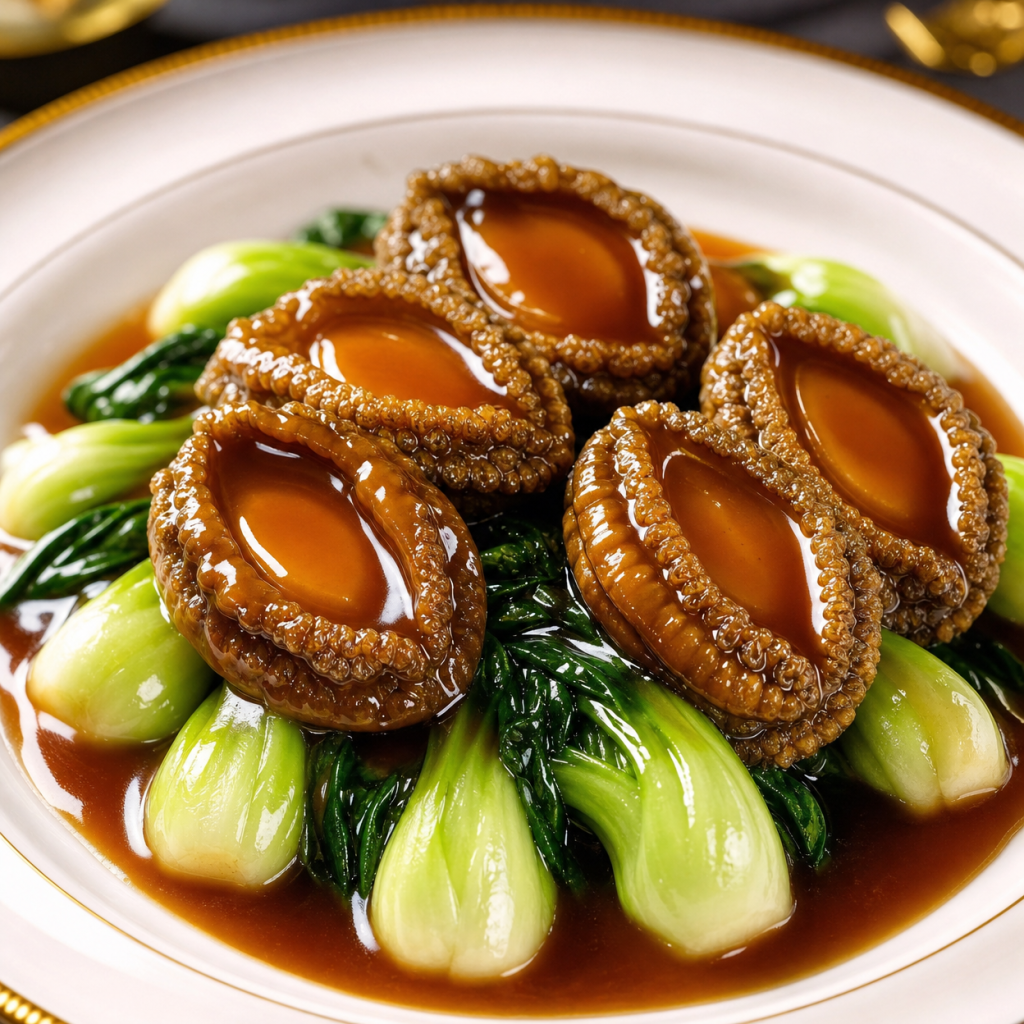
Braised Abalone with Oyster Sauce: China’s Most Prestigious Banquet Dish Explained
In the clear, unmistakable hierarchy of luxurious Chinese banquet ingredients, precious abalone occupies a position of unchallenged, undisputed prestige. This large, beautiful marine snail — prized for its extraordinary, unique texture, delicate, oceanic flavor, and exceptional, increasing rarity — has been a luxurious, celebratory ingredient in sophisticated Chinese cuisine for centuries, served respectfully at imperial banquets, at high-stakes business dinners of the highest level, and at joyous celebrations of the most significant life events: weddings, milestone birthdays, and reunions. To respectfully serve precious abalone is to communicate, without any need for words, that the honored guest is valued beyond the ordinary, beyond the everyday. And the most celebrated, revered preparation of this precious, luxurious ingredient is patiently braising it in a rich, aromatic oyster sauce and premium chicken stock glaze — a refined, elegant preparation that allows the abalone’s natural, beautiful character to be fully appreciated while surrounding it respectfully with flavors of complementary, harmonious depth and richness.
What Is Abalone?
Abalone (鮑魚, bao yu in Mandarin) is a large, prized sea snail belonging to the genus Haliotis. The beautiful shell is a flat, ear-shaped, iridescent structure with a distinctive row of small holes along one edge through which the living animal breathes, and the spectacular interior surface is lined with the shimmering, iridescent nacre (mother of pearl) that makes abalone shells objects of great beauty independent of their considerable culinary use. The precious edible portion is the large, muscular foot — the powerful part of the animal that clings tenaciously to rocks and propels it through the water — which develops a firm, slightly chewy, resilient texture and a distinctive, clean, delicate, oceanic flavor unlike any other seafood. Abalone is found in cold, clean coastal waters around the world — in China, Japan, Korea, South Africa, Australia, New Zealand, and the Americas — but the most prized, expensive varieties for sophisticated Chinese cooking are dried abalone from Japan and Australia, which command astronomical prices that can easily exceed hundreds or even thousands of dollars per single piece depending on their size, age, provenance, and quality.
Dried Versus Fresh Abalone
In the elite, rarefied world of premium, luxury Chinese ingredients, patiently dried abalone is considered significantly, dramatically superior to fresh, never-frozen abalone. The slow, natural drying and careful rehydration process — which requires patiently soaking dried abalone in clean water for three to five days, changing the water regularly, and sometimes longer — concentrates the delicate flavors of the precious abalone and develops a deeper, richer, more complex, more intense taste profile than fresh, undried abalone. The unique texture of properly, patiently rehydrated dried abalone is also considered far superior: firmer, more resilient, more satisfying, and with a pronounced, pleasant “bite” or “spring” that is very difficult to achieve with fresh, never-dried abalone. The patient preparation of dried abalone for luxurious cooking is itself a considerable labor, skill, and time investment. After the extended, careful soaking period, the precious abalone is gently cleaned, then slow-braised in a rich, aromatic stock for many, many hours — sometimes two full days, in the case of the very largest, oldest, and most premium pieces. This considerable investment of time, patience, skill, and cost is what gives dried abalone dishes their well-deserved status as ultimate, peak luxury celebratory foods.
The Braising Process
Once the precious abalone has been properly, patiently rehydrated and gently cleaned, the careful, loving braising process begins. The abalone is placed gently in a clay pot or heavy-bottomed braiser with a rich, aromatic stock made from premium, golden chicken broth, precious Jinhua ham, expensive dried scallops (conpoy), and high-quality oyster sauce. A small amount of rock sugar adds a gentle, pleasant sweetness that balances the natural, delicate brininess of the precious abalone, while fragrant Shaoxing wine provides aromatic complexity, depth, and helps to tenderize the firm meat. The gentle braising proceeds very, very slowly over the lowest possible heat — the patient goal is gentle, even, deep penetration of the fragrant braising liquid into the dense abalone rather than aggressive, rapid cooking that might toughen or ruin it. Premium, top-quality dried abalone may require twelve to twenty-four hours or even longer of slow, patient braising in a master stock to achieve the silky, yielding, luxurious texture that defines a truly great, memorable preparation. The precious abalone is turned gently periodically and the liquid level is maintained carefully, lovingly throughout.
The Sauce: The Liquid Gold
After the long, patient braising, the precious cooking liquid is carefully reduced and refined into the glossy, intensely flavorful, luxurious sauce that is the crowning, glorious element of braised abalone. This careful reduction — which beautifully concentrates all the layered flavors of the premium stock, the precious ham, the expensive dried scallops, and the abalone’s own released juices — is gently thickened with a very small amount of cornstarch to create a sauce of the perfect, ideal consistency that clings attractively to the abalone without dripping excessively. The finished, beautiful sauce should be dark, glossy, deeply savory, complex, and faintly sweet — a silky, luxurious liquid of extraordinary complexity and depth that is sometimes poetically described as the precious abalone’s most eloquent, beautiful form of self-expression.
The Banquet Tradition
Precious braised abalone is proudly served at the very most important, significant Chinese banquets — joyful Lunar New Year family celebrations, lavish wedding banquets, milestone birthday dinners, and major, high-level business entertaining. The generous number of abalone served respectfully per person, and the impressive size of each individual piece, clearly communicate the generosity, respect, and financial significance of the happy occasion. To be respectfully served a large, premium, perfectly braised abalone at a joyous Chinese banquet is to receive one of the most explicit, unmistakable, and meaningful expressions of hospitality, honor, and respect in the culture’s entire, generous culinary repertoire. It is a moment to be savored and remembered.
The Global Popularity of Dim Sum Culture
Over the past several decades, dim sum has expanded far beyond Southern China and Hong Kong, becoming one of the most internationally recognized forms of Chinese cuisine. Restaurants specializing in dim sum can now be found in major cities all around the world, from New York and Los Angeles to London, Sydney, Singapore, and Toronto. The appeal of dim sum comes from its social nature, incredible variety, and balance of flavors and textures. Diners are encouraged to share multiple dishes, sample different combinations, and enjoy a relaxed dining experience with friends and family. This sense of togetherness has helped dim sum become much more than a meal — it is a cultural experience that people return to repeatedly.
Traditional dim sum meals are usually enjoyed during brunch or lunchtime, often accompanied by hot Chinese tea. The phrase “yum cha,” which means “drink tea” in Cantonese, reflects the deep connection between tea culture and dim sum dining. Different teas are paired with different dishes to balance richness and refresh the palate. Jasmine tea, pu-erh tea, chrysanthemum tea, and oolong tea are among the most popular choices in classic Cantonese teahouses. The tea not only complements the flavors of the food but also encourages conversation and a slower, more enjoyable dining pace.
Why Authentic Preparation Matters
Authentic dim sum preparation requires patience, precision, and years of experience. Skilled chefs spend years perfecting dough textures, fillings, steaming times, seasoning balances, and presentation techniques. Even a seemingly simple dumpling or bun can involve dozens of small details that determine whether the final result is average or exceptional. High-quality ingredients also play a critical role. Fresh seafood, carefully selected meats, premium soy sauce, sesame oil, and aromatic spices all contribute to the depth of flavor that defines authentic Cantonese cooking.
In many respected dim sum restaurants, recipes are passed down through generations of chefs and families. These traditions preserve techniques that have been refined over hundreds of years. While modern restaurants may experiment with fusion ingredients and contemporary presentation styles, the classic foundations of Cantonese dim sum remain timeless. Diners continue to appreciate dishes that honor tradition while delivering comfort, freshness, and carefully balanced flavor profiles.
Dim Sum as a Shared Experience
One of the greatest reasons dim sum remains beloved worldwide is its ability to bring people together. Families gather around round tables, friends share bamboo steamers filled with freshly prepared dishes, and conversations flow naturally throughout the meal. Unlike individual plated dining experiences, dim sum encourages sharing and interaction. Every dish placed at the center of the table becomes part of a collective experience that creates memories as meaningful as the food itself.
Whether enjoyed at a luxurious Hong Kong tea house or a small neighborhood restaurant, classic dim sum dishes continue to represent warmth, hospitality, and culinary craftsmanship. Their enduring popularity proves that carefully prepared comfort food never goes out of style. For food lovers everywhere, exploring authentic dim sum remains one of the most rewarding journeys in the world of Chinese cuisine.
