
Post
Best Claypot Rice with Chinese Sausage 2026: The Ancient Cantonese Cooking Method Still Winning Hearts
May
Claypot Rice with Chinese Sausage: The Ancient Cantonese Cooking Method Still Winning Hearts
In an era of precision appliances, sous vide techniques, digital temperature control, and molecular gastronomy, there is something profoundly, deeply satisfying about a cooking method that has remained essentially unchanged for centuries. Claypot Rice — Bo Zai Fan in Cantonese — is cooked in a humble, porous clay pot over an open flame in exactly the same way it has been prepared for generations, and the results are as magnificent, comforting, and delicious today as they have ever been. This is cooking at its most elemental, honest, and authentic — fire, clay, rice, and time. The method may be ancient, but the appeal is timeless, and Bo Zai Fan continues to win new hearts around the world.
What Is Claypot Rice?
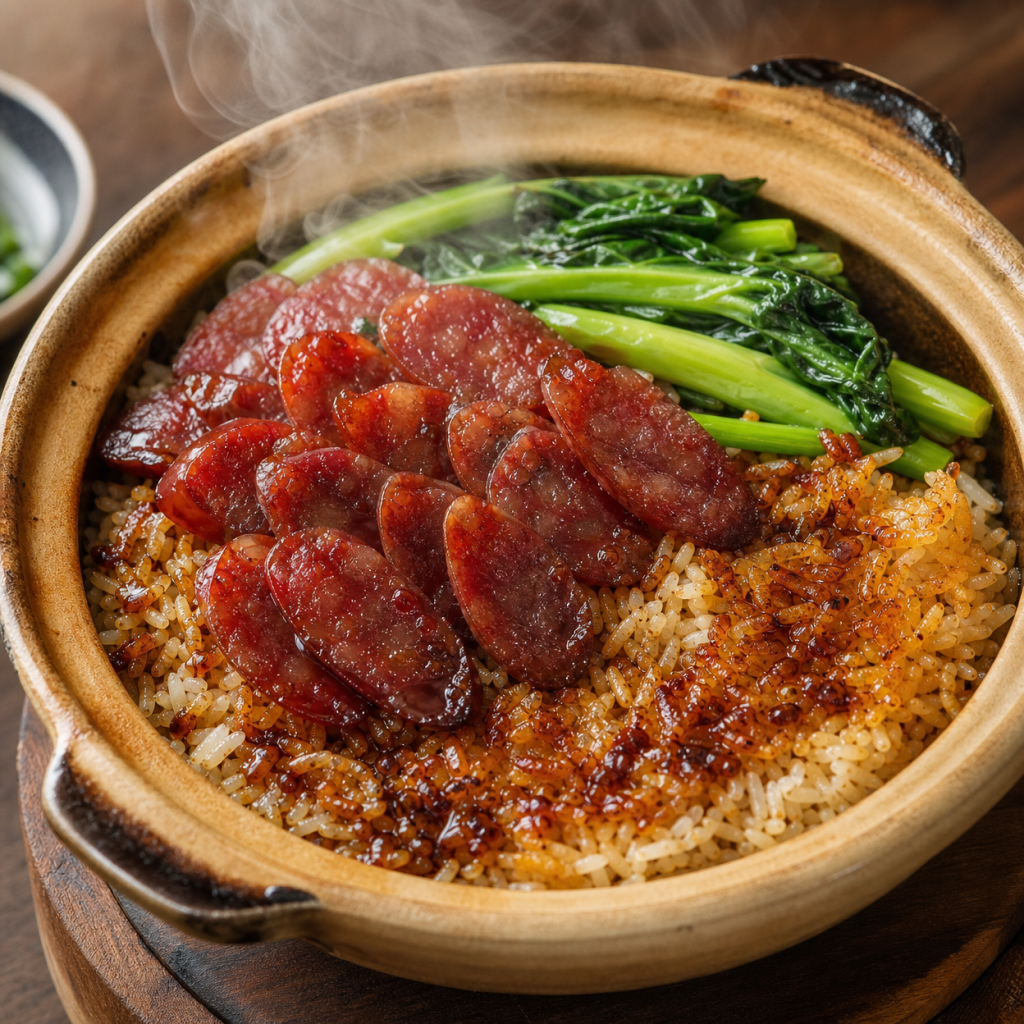
Claypot Rice (煲仔飯) is a classic Cantonese dish in which uncooked rice, various savory toppings, and seasonings are placed together in a small, individual clay pot and cooked over an open flame until the rice is perfectly cooked throughout and a thin, golden, crispy, fragrant crust forms on the bottom. The toppings — most traditionally including sweet Chinese sausage (lap cheong), salted fish, dried mushrooms, and sometimes preserved pork or chicken — cook simultaneously with the rice, their fats and flavors slowly infusing every grain below them as they render and drip down. The result is a dish of extraordinary depth, texture, and aroma — soft, fluffy rice on top, crispy, nutty, caramelized rice on the bottom, and rich, savory, aromatic toppings throughout.
The Clay Pot: More Than Just a Vessel: Best Claypot Rice with Chinese Sausage 2026
The humble clay pot itself plays an active, essential, irreplaceable role in the cooking process that cannot be replicated by metal, glass, or ceramic cookware. Clay is a poor conductor of heat, which means it heats slowly, gently, and evenly, distributing heat across the entire interior surface without developing localized hot spots that could burn the rice. Once heated, unglazed clay retains heat exceptionally, remarkably well, continuing to cook the rice gently for several minutes after being removed from the flame.
The porosity of unglazed clay allows a small amount of moisture to escape slowly through the walls during cooking, which helps regulate the delicate humidity inside the pot and contributes to the characteristic, prized crust formation at the bottom. The specific, unique microclimate inside a clay pot — moist, steamy on top, progressively drier toward the bottom — is what creates the simultaneous perfect upper rice and crispy, golden, fragrant bottom crust that defines and distinguishes Bo Zai Fan from any other rice dish.
The Crispy Rice Bottom: The Soul of the Dish
The guoba — the beautiful layer of crispy, golden, fragrant, nutty rice that forms at the bottom of the clay pot — is universally, passionately regarded as the very best part of the entire dish. As the rice cooks gently and the water is gradually absorbed, the bottom layer comes into direct contact with the hot clay and begins to toast, caramelize, and crisp. This creates a thin, crispy, shattering sheet of golden rice that has a toasty, nutty, slightly sweet flavor completely different from the soft, fluffy steamed rice above it.
The guoba is carefully removed from the pot by scraping with a spoon, and experienced, devoted claypot rice lovers save theirs carefully, reverently, eating it last as a special treat or mixing it with the rich, concentrated sauce at the bottom of the pot for an intensely flavored, texturally complex, deeply satisfying final bite. Some knowledgeable diners request additional crispy bottom from their server, and good, generous establishments are happy to oblige.
Chinese Sausage: The Star Topping
Lap cheong (臘腸), Chinese dried pork sausage, is the most classic, beloved, and traditional topping for Bo Zai Fan. Made from seasoned ground pork, pork fat, light and dark soy sauce, Shaoxing wine, and sugar, then air-dried until firm and slightly shriveled, lap cheong has a distinctive, unforgettable sweet, savory, wine-cured, complex flavor that is unlike any other sausage tradition in the world.
When placed on top of the raw, uncooked rice at the very beginning of cooking, the sausage steams gently as the rice cooks, its rich fat rendering out and slowly dripping down through the grains below, seasoning every single grain with its characteristic, beloved flavor. Sliced thinly before being carefully arranged on top of the rice, lap cheong develops a slightly sticky, caramelized, glistening exterior as it cooks, concentrating its natural sweetness. The beautiful, harmonious combination of sweet, wine-cured sausage, earthy, umami mushrooms, and perfectly, lovingly cooked rice is one of the great, classic harmonies of Cantonese cuisine.
The Seasoning Sauce
Just before serving, a simple but essential seasoning sauce of light soy sauce, dark soy sauce, oyster sauce, sesame oil, and a small amount of sugar is drizzled carefully around the inside edge of the hot clay pot, running down between the cooked rice and the clay walls. The residual, retained heat of the pot gently warms the sauce, which then combines beautifully with the natural juices from the toppings at the bottom of the pot.
The diner then mixes the rice, toppings, and sauce together at the table, creating a seasoned, glistening, aromatic, deeply flavorful bowl of rice that is profoundly satisfying in every single, wonderful bite. The sound of the sauce sizzling as it hits the hot clay pot is part of the ritual and the pleasure.
Bo Zai Fan as a Seasonal and Social Experience
In Hong Kong, Bo Zai Fan is strongly, romantically associated with the cool, crisp autumn and winter months, when the chilly, damp weather makes the warming, comforting clay pot most welcome, necessary, and appreciated. Specialist Bo Zai Fan restaurants operate specifically, exclusively during the cooler season, often closing entirely in the warm, humid summer months when the hearty dish is considered less appropriate, less appealing.
This seasonal, ephemeral character gives Bo Zai Fan a precious air of anticipation and special occasion — its arrival on restaurant menus and family tables marks the turning of the seasons and provides a wonderful, welcome focus for social dining, family gatherings, and cozy meals with loved ones. Eating Bo Zai Fan is not just about nourishment; it is about warmth, community, tradition, and the simple joy of sharing good food with people you love.
The Global Popularity of Dim Sum Culture
Over the past several decades, dim sum has expanded far beyond Southern China and Hong Kong, becoming one of the most internationally recognized forms of Chinese cuisine. Restaurants specializing in dim sum can now be found in major cities all around the world, from New York and Los Angeles to London, Sydney, Singapore, and Toronto.
The appeal of dim sum comes from its social nature, incredible variety, and balance of flavors and textures. Diners are encouraged to share multiple dishes, sample different combinations, and enjoy a relaxed dining experience with friends and family. This sense of togetherness has helped dim sum become much more than a meal — it is a cultural experience that people return to repeatedly.
Traditional dim sum meals are usually enjoyed during brunch or lunchtime, often accompanied by hot Chinese tea. The phrase “yum cha,” which means “drink tea” in Cantonese, reflects the deep connection between tea culture and dim sum dining. Different teas are paired with different dishes to balance richness and refresh the palate. Jasmine tea, pu-erh tea, chrysanthemum tea, and oolong tea are among the most popular choices in classic Cantonese teahouses. The tea not only complements the flavors of the food but also encourages conversation and a slower, more enjoyable dining pace.
Why Authentic Preparation Matters
Authentic dim sum preparation requires patience, precision, and years of experience. Skilled chefs spend years perfecting dough textures, fillings, steaming times, seasoning balances, and presentation techniques. Even a seemingly simple dumpling or bun can involve dozens of small details that determine whether the final result is average or exceptional. High-quality ingredients also play a critical role. Fresh seafood, carefully selected meats, premium soy sauce, sesame oil, and aromatic spices all contribute to the depth of flavor that defines authentic Cantonese cooking.
In many respected dim sum restaurants, recipes are passed down through generations of chefs and families. These traditions preserve techniques that have been refined over hundreds of years. While modern restaurants may experiment with fusion ingredients and contemporary presentation styles, the classic foundations of Cantonese dim sum remain timeless. Diners continue to appreciate dishes that honor tradition while delivering comfort, freshness, and carefully balanced flavor profiles.
Dim Sum as a Shared Experience
One of the greatest reasons dim sum remains beloved worldwide is its ability to bring people together. Families gather around round tables, friends share bamboo steamers filled with freshly prepared dishes, and conversations flow naturally throughout the meal. Unlike individual plated dining experiences, dim sum encourages sharing and interaction. Every dish placed at the center of the table becomes part of a collective experience that creates memories as meaningful as the food itself.
Whether enjoyed at a luxurious Hong Kong tea house or a small neighborhood restaurant, classic dim sum dishes continue to represent warmth, hospitality, and culinary craftsmanship. Their enduring popularity proves that carefully prepared comfort food never goes out of style. For food lovers everywhere, exploring authentic dim sum remains one of the most rewarding journeys in the world of Chinese cuisine.
