
Post
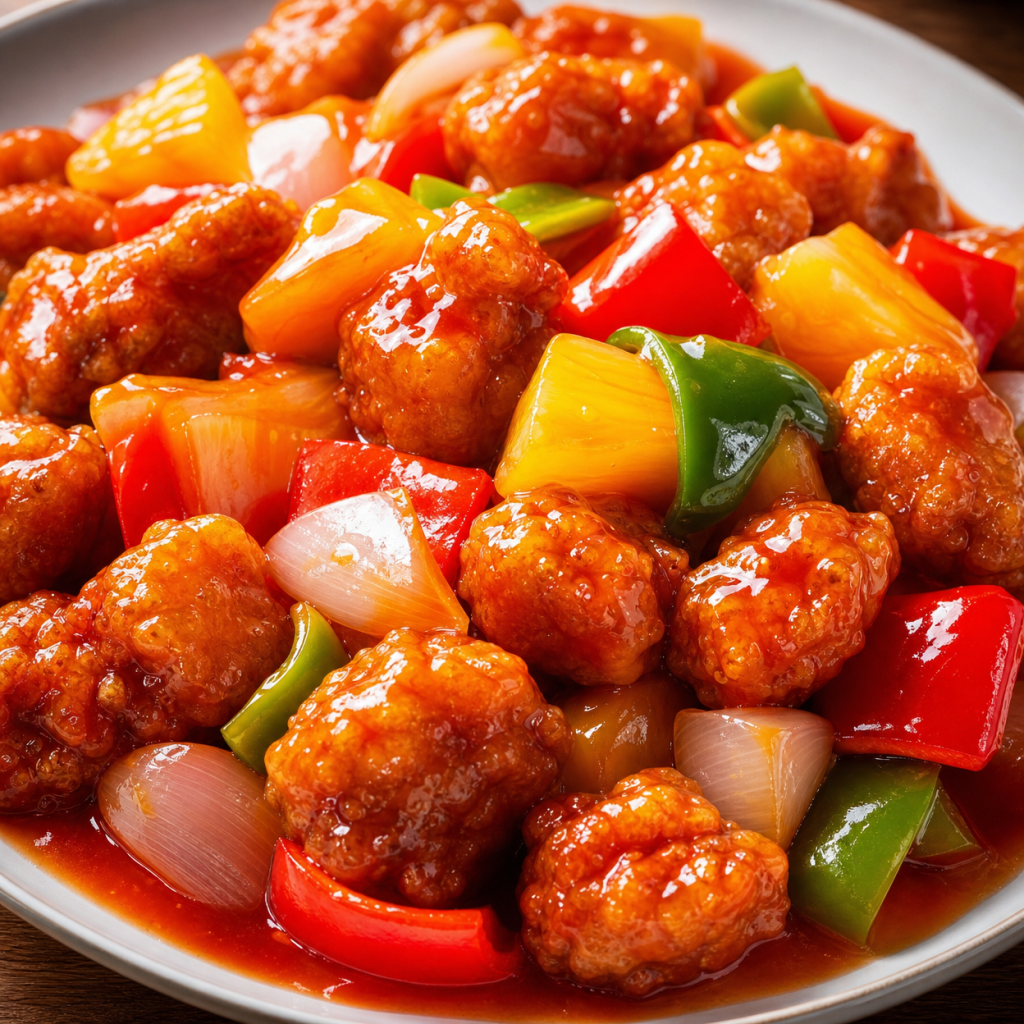
Sweet and Sour Pork: The Cantonese Classic That Delights Diners Across the Globe
May
Sweet and Sour Pork: The Cantonese Classic That Delights Diners Across the Globe
Few dishes in the entire, vast landscape of Chinese cuisine have achieved the remarkable global reach, recognition, and enduring popularity of Sweet and Sour Pork.
From the high-end, sophisticated Cantonese restaurants of Hong Kong to the takeaway menus of suburban shopping centers in Australia, from the bustling dim sum halls of Vancouver to the Chinese restaurants of Johannesburg, this vibrant, colorful, irresistible dish of crispy, golden fried pork in a tangy, glossy, sweet-sour sauce has become one of the most universally recognized, beloved symbols of Chinese cooking around the world. Its remarkable success is no accident — Sweet and Sour Pork is genuinely, brilliantly, universally delicious, appealing to almost every palate regardless of cultural background or spice tolerance.
What Is Sweet and Sour Pork?
Sweet and Sour Pork, known in Cantonese as Gu Lao Rou (咕嚕肉), is a classic dish of crispy, batter-fried pork pieces tossed in a vibrant, glossy, balanced sweet and sour sauce with colorful bell peppers, sweet pineapple, and onions. The signature sauce is a balanced, harmonious combination of rice vinegar for clean sourness, sugar for sweetness, ketchup or plum sauce for depth and appetizing color, and light soy sauce for savory umami.
The delicious result is a sauce that is simultaneously bright, complex, tangy, sweet, and immediately, universally appealing — a flavor profile that has proven to have remarkable cross-cultural appeal without any compromise of its fundamental, recognizable Chinese character. The contrast between the crunchy, crispy pork and the glossy, clinging sauce is part of the dish’s enduring charm.
The Origins of the Dish
Sweet and sour flavor combinations have been part of sophisticated Chinese cuisine since ancient times — historical texts from the Tang and Song Dynasties describe dishes beautifully combining sweetness and sourness in various, creative forms. The specific Cantonese preparation of crispy, deep-fried pork in sweet and sour sauce is believed to have developed during the Qing Dynasty, when Guangzhou (Canton) was one of the few Chinese ports open to foreign trade.
Foreign sailors, merchants, and traders who visited the busy port were introduced to local, authentic Cantonese cooking and were particularly, enthusiastically taken with the appealing sweet and sour flavor profile, which they would describe in their travel writings and enthusiastically bring to the attention of the wider, curious world.
As Chinese immigration spread Cantonese cooking around the globe during the 19th and 20th centuries, Sweet and Sour Pork traveled with it proudly, often becoming one of the very first Chinese dishes that non-Chinese diners encountered, enjoyed, and loved. Its accessible, non-threatening, familiar flavor profile — unchallenging in its pleasant sweetness, familiar in its use of recognizable ingredients like pineapple and bell peppers — made it a perfect gateway dish that introduced millions of people to the pleasures of Chinese cuisine for the very first time.
The Perfect Batter
The light, crispy batter for Sweet and Sour Pork is arguably the most technically demanding, skill-dependent element of the entire dish. The pork must emerge from the hot fryer with a coating that is light, airy, shatteringly crispy, and not at all greasy — not heavy, doughy, bready, or oily. Various schools of thought, regional traditions, and family recipes exist about the ideal batter composition.
The simplest, most traditional approach uses just seasoned cornstarch as the coating, sometimes with a little baking powder for extra lift. This simple method produces a very light, thin, crackly, delicate crust that is excellent for absorbing the sauce while remaining satisfyingly crispy. Adding a beaten egg to the cornstarch creates a sturdier, thicker coating with more color, body, and slightly more substance, ideal for home cooking where the oil temperature may be less consistent and controllable. Some modern versions use a light, puffy beer batter — flour, cornstarch, baking powder, and cold beer — that produces a distinctly puffy, airy, tempura-like coating. This popular version is particularly common in restaurant settings for its dramatic, attractive appearance.
The Sauce: The Heart of the Dish
The vibrant, glossy sauce must achieve the precise, delicate balance of sweet to sour that gives the dish its honest, descriptive name. Too sweet and it becomes cloying, heavy, and unpleasant; too sour and it becomes harsh, sharp, and unappealing. The perfect, harmonious ratio allows both flavors to exist in delightful tension — each satisfying bite delivers sweetness and sourness simultaneously, harmoniously, with neither dominating the other unpleasantly. The careful addition of a small amount of dark soy sauce and fresh garlic prevents the sauce from being flat, one-dimensional, or boring, while ketchup or plum sauce adds attractive color and a slight tomato or plum depth that anchors the bright, vibrant flavor beautifully.
The Timing Question
One of the most passionately debated, contentious issues in Sweet and Sour Pork preparation is timing: should the crispy, fried pork be tossed in the hot sauce in the wok before serving, or should the sauce be poured over the separately fried pork at the table? Those who favor wok-tossing argue that the pork absorbs the sauce more thoroughly, deeply, resulting in more flavor in every bite.
Those who favor tableside plating argue that the pork retains its desirable, satisfying crispiness much longer. In a busy, high-pressure restaurant kitchen, the practical reality is that most dishes are tossed quickly in the hot wok immediately before plating — this produces the very best, most harmonious result if the delicious dish is eaten quickly, immediately after serving. The debate continues, and both methods have their passionate, loyal defenders.
The Global Popularity of Dim Sum Culture
Over the past several decades, dim sum has expanded far beyond Southern China and Hong Kong, becoming one of the most internationally recognized forms of Chinese cuisine. Restaurants specializing in dim sum can now be found in major cities all around the world, from New York and Los Angeles to London, Sydney, Singapore, and Toronto.
The appeal of dim sum comes from its social nature, incredible variety, and balance of flavors and textures. Diners are encouraged to share multiple dishes, sample different combinations, and enjoy a relaxed dining experience with friends and family. This sense of togetherness has helped dim sum become much more than a meal — it is a cultural experience that people return to repeatedly.
Traditional dim sum meals are usually enjoyed during brunch or lunchtime, often accompanied by hot Chinese tea. The phrase “yum cha,” which means “drink tea” in Cantonese, reflects the deep connection between tea culture and dim sum dining. Different teas are paired with different dishes to balance richness and refresh the palate. Jasmine tea, pu-erh tea, chrysanthemum tea, and oolong tea are among the most popular choices in classic Cantonese teahouses. The tea not only complements the flavors of the food but also encourages conversation and a slower, more enjoyable dining pace.
Why Authentic Preparation Matters
Authentic dim sum preparation requires patience, precision, and years of experience. Skilled chefs spend years perfecting dough textures, fillings, steaming times, seasoning balances, and presentation techniques. Even a seemingly simple dumpling or bun can involve dozens of small details that determine whether the final result is average or exceptional. High-quality ingredients also play a critical role. Fresh seafood, carefully selected meats, premium soy sauce, sesame oil, and aromatic spices all contribute to the depth of flavor that defines authentic Cantonese cooking.
In many respected dim sum restaurants, recipes are passed down through generations of chefs and families. These traditions preserve techniques that have been refined over hundreds of years. While modern restaurants may experiment with fusion ingredients and contemporary presentation styles, the classic foundations of Cantonese dim sum remain timeless. Diners continue to appreciate dishes that honor tradition while delivering comfort, freshness, and carefully balanced flavor profiles.
Dim Sum as a Shared Experience
One of the greatest reasons dim sum remains beloved worldwide is its ability to bring people together. Families gather around round tables, friends share bamboo steamers filled with freshly prepared dishes, and conversations flow naturally throughout the meal. Unlike individual plated dining experiences, dim sum encourages sharing and interaction. Every dish placed at the center of the table becomes part of a collective experience that creates memories as meaningful as the food itself.
Whether enjoyed at a luxurious Hong Kong tea house or a small neighborhood restaurant, classic dim sum dishes continue to represent warmth, hospitality, and culinary craftsmanship. Their enduring popularity proves that carefully prepared comfort food never goes out of style. For food lovers everywhere, exploring authentic dim sum remains one of the most rewarding journeys in the world of Chinese cuisine.
