Post
Best Beef Brisket Noodle Soup 2026: The Slow-Braised Hong Kong Classic Worth Every Minute
May
Beef Brisket Noodle Soup: The Slow-Braised Hong Kong Classic Worth Every Minute
Some dishes simply reward patience. They cannot be rushed, cannot be faked, cannot be improved by shortcuts or substitutions, and cannot be truly appreciated without an understanding of the time and care that goes into them. Beef Brisket Noodle Soup is one of these honest, demanding dishes — a beloved Hong Kong comfort food classic that requires hours of slow, gentle braising to achieve the meltingly, impossibly tender brisket and deeply, complexly flavored broth that define its greatness.
The wait, as any devoted fan will tell you, is always, absolutely worth it. This is not fast food; it is slow food in the very best sense — food made with time, patience, love, and respect for tradition.
What Is Beef Brisket Noodle Soup?
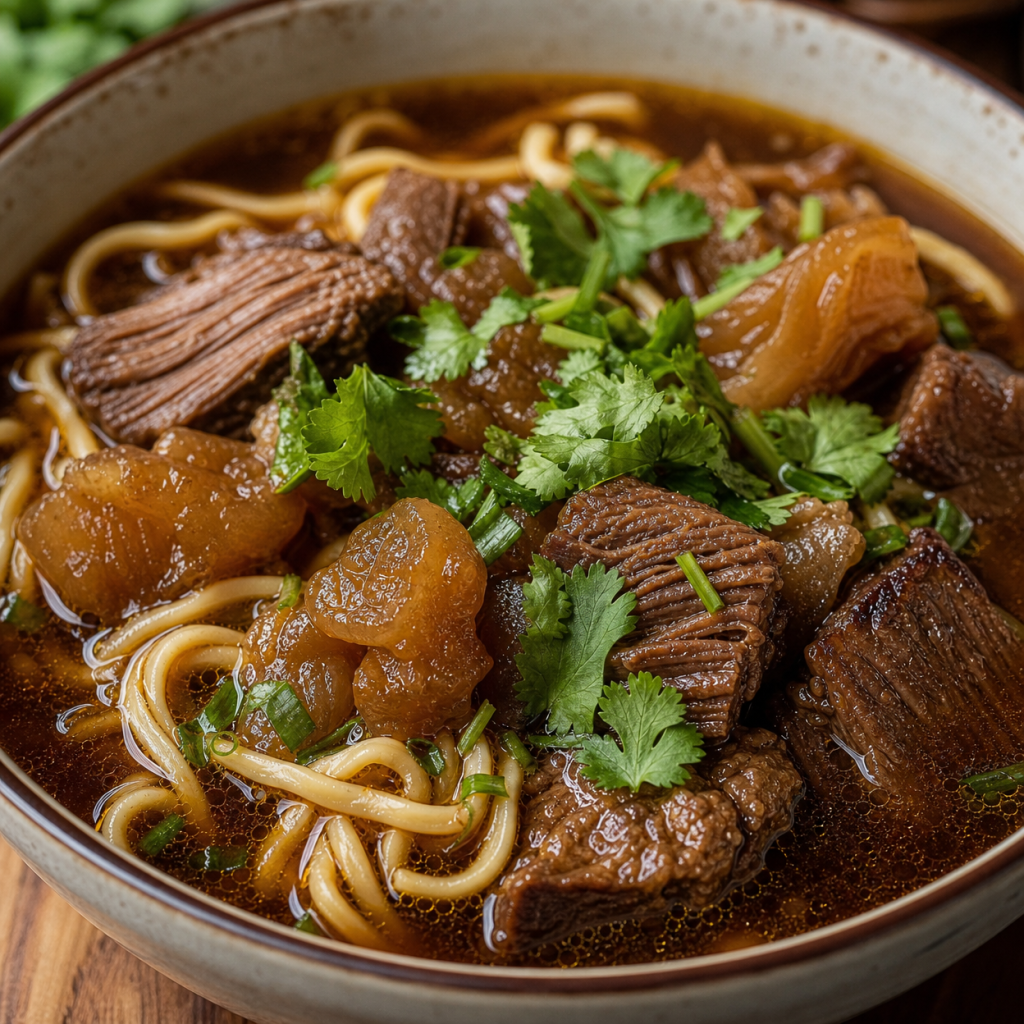
Beef Brisket Noodle Soup (牛腩麵) is a classic Cantonese noodle dish featuring slow-braised beef brisket — and often, for the truly dedicated, accompanying tendon and tripe — served over a generous portion of noodles in a rich, aromatic, spiced broth. The brisket is cooked for many hours in a master stock seasoned with soy sauce, oyster sauce, Shaoxing wine, star anise, cassia cinnamon, dried tangerine peel, ginger, garlic, and other aromatics until the meat is extraordinarily, impossibly tender and deeply, completely infused with the complex, layered flavors of the braising liquid.
The dish is a beloved staple of Hong Kong cha chaan teng (Hong Kong-style tea restaurants) and specialist, dedicated noodle shops throughout the city and around the world. It is the ultimate cold-weather comfort food.
The Cut of Beef: Why Brisket Is Ideal
Beef brisket is one of the toughest, most challenging cuts of beef — it comes from the hard-working chest muscles of the cow, which work constantly throughout the animal’s life and develop significant amounts of tough, resilient connective tissue. This inherent toughness, which makes brisket completely unsuitable for quick, high-heat cooking methods like grilling or pan-searing, is precisely what makes it absolutely ideal for long, slow, gentle, moist braising.
During the extended, patient cooking process, the collagen in the tough connective tissue slowly, gradually breaks down into rich, silky gelatin, which coats the individual meat fibers and gives the braised brisket its characteristic silky, melting, luxurious texture that is completely impossible to achieve with a naturally more tender, more expensive cut like ribeye or sirloin. In Hong Kong-style beef brisket noodle soup, the tender brisket is often accompanied by tendon and tripe — other collagen-rich, connective tissue-heavy cuts that undergo similar magical transformations during long braising.
The tendon becomes completely soft, silky, and gelatinous, wobbling gently and pleasantly when the bowl is moved. The tripe, carefully cleaned and braised until tender, provides a contrasting, pleasant texture that many devoted diners find deeply, profoundly satisfying.
The Braising Process
The patient preparation of Hong Kong-style braised brisket begins with blanching the raw beef briefly in boiling water to remove impurities, scum, and excess blood, which would otherwise cloud the braising liquid and give it an unappealing, muddy appearance. The blanched, cleaned beef is then transferred to a fresh pot of cold water along with the fragrant aromatics — whole garlic cloves, thick ginger slices, scallion knots, star anise, cassia cinnamon sticks, dried tangerine peel, white peppercorns, and sometimes Chinese five-spice powder — and brought to a boil before being reduced to a gentle, barely-moving simmer.
After approximately 30 minutes of gentle simmering, the liquid seasonings are added: light soy sauce, dark soy sauce for color, oyster sauce for richness, rock sugar for a touch of sweetness, and Shaoxing rice wine for aromatic depth. The liquid should be just enough to barely cover the meat, and the heat should be low enough to maintain a gentle bubble — vigorous, turbulent boiling toughens the meat and clouds the broth. The brisket braises gently for two to three hours, or even longer, until a chopstick or skewer passes through the thickest part of the meat with almost no resistance.
The Master Stock Tradition
Many serious, dedicated Hong Kong brisket noodle specialists maintain a lu shui (master stock) — a living, evolving braising liquid that is never discarded but is continuously, lovingly replenished and used to braise each new batch of meat. Over months and years, the master stock develops incredible, irreplaceable depth, complexity, and character as the flavors of each successive batch of brisket, tendon, and tripe are absorbed into the increasingly rich liquid.
Some venerable establishments proudly boast master stocks that are decades old, their accumulated, layered flavor making the broth something that cannot be replicated from scratch regardless of the quality of the ingredients used or the skill of the cook. This living stock is a precious heirloom, passed down from master to apprentice, parent to child, across generations.
The Noodles
The noodles served with beef brisket are a matter of personal preference, regional tradition, and mood. In Hong Kong, the most common, beloved choices are flat rice noodles (ho fun), thin egg noodles (won ton mein style), or wide rice noodles (shahe fen).
Each creates a different, distinctive eating experience: rice noodles are soft, slippery, and absorb the fragrant braising liquid beautifully; thin egg noodles are springy, resilient, and retain more textural independence; wide ho fun are silky, substantial, and satisfying. The rich, aromatic braising liquid is typically poured over the noodles and brisket in generous, ample amounts, making this a dish where noodles and fragrant soup are inseparable, complementary parts of a harmonious whole.
The Ritual of the Hong Kong Brisket Shop
In Hong Kong, specialist beef brisket noodle shops represent a particular, beloved type of humble culinary excellence that the city has always celebrated, cherished, and supported. These establishments are often small, cramped, simply decorated, and focused entirely on a narrow, specialized menu — perhaps just three or four variations of the brisket noodle, perfected over years.
The quality of their product is the hard-earned result of decades of accumulated knowledge, experience, and refinement, passed from parent to child, master to apprentice across generations. Eating at one of these humble, unpretentious shops is not just a meal but an authentic experience of living, breathing culinary history. It is a connection to the past, a celebration of the present, and a hope for the future, all in one warm, comforting, deeply satisfying bowl.
The Global Popularity of Dim Sum Culture
Over the past several decades, dim sum has expanded far beyond Southern China and Hong Kong, becoming one of the most internationally recognized forms of Chinese cuisine. Restaurants specializing in dim sum can now be found in major cities all around the world, from New York and Los Angeles to London, Sydney, Singapore, and Toronto. The appeal of dim sum comes from its social nature, incredible variety, and balance of flavors and textures.
Diners are encouraged to share multiple dishes, sample different combinations, and enjoy a relaxed dining experience with friends and family. This sense of togetherness has helped dim sum become much more than a meal — it is a cultural experience that people return to repeatedly.
Traditional dim sum meals are usually enjoyed during brunch or lunchtime, often accompanied by hot Chinese tea. The phrase “yum cha,” which means “drink tea” in Cantonese, reflects the deep connection between tea culture and dim sum dining. Different teas are paired with different dishes to balance richness and refresh the palate.
Jasmine tea, pu-erh tea, chrysanthemum tea, and oolong tea are among the most popular choices in classic Cantonese teahouses. The tea not only complements the flavors of the food but also encourages conversation and a slower, more enjoyable dining pace.
Why Authentic Preparation Matters
Authentic dim sum preparation requires patience, precision, and years of experience. Skilled chefs spend years perfecting dough textures, fillings, steaming times, seasoning balances, and presentation techniques. Even a seemingly simple dumpling or bun can involve dozens of small details that determine whether the final result is average or exceptional. High-quality ingredients also play a critical role. Fresh seafood, carefully selected meats, premium soy sauce, sesame oil, and aromatic spices all contribute to the depth of flavor that defines authentic Cantonese cooking.
In many respected dim sum restaurants, recipes are passed down through generations of chefs and families. These traditions preserve techniques that have been refined over hundreds of years. While modern restaurants may experiment with fusion ingredients and contemporary presentation styles, the classic foundations of Cantonese dim sum remain timeless. Diners continue to appreciate dishes that honor tradition while delivering comfort, freshness, and carefully balanced flavor profiles.
Dim Sum as a Shared Experience
One of the greatest reasons dim sum remains beloved worldwide is its ability to bring people together. Families gather around round tables, friends share bamboo steamers filled with freshly prepared dishes, and conversations flow naturally throughout the meal. Unlike individual plated dining experiences, dim sum encourages sharing and interaction. Every dish placed at the center of the table becomes part of a collective experience that creates memories as meaningful as the food itself.
Whether enjoyed at a luxurious Hong Kong tea house or a small neighborhood restaurant, classic dim sum dishes continue to represent warmth, hospitality, and culinary craftsmanship. Their enduring popularity proves that carefully prepared comfort food never goes out of style. For food lovers everywhere, exploring authentic dim sum remains one of the most rewarding journeys in the world of Chinese cuisine.
